First Impressions of the THE HOST - 4K Restoration
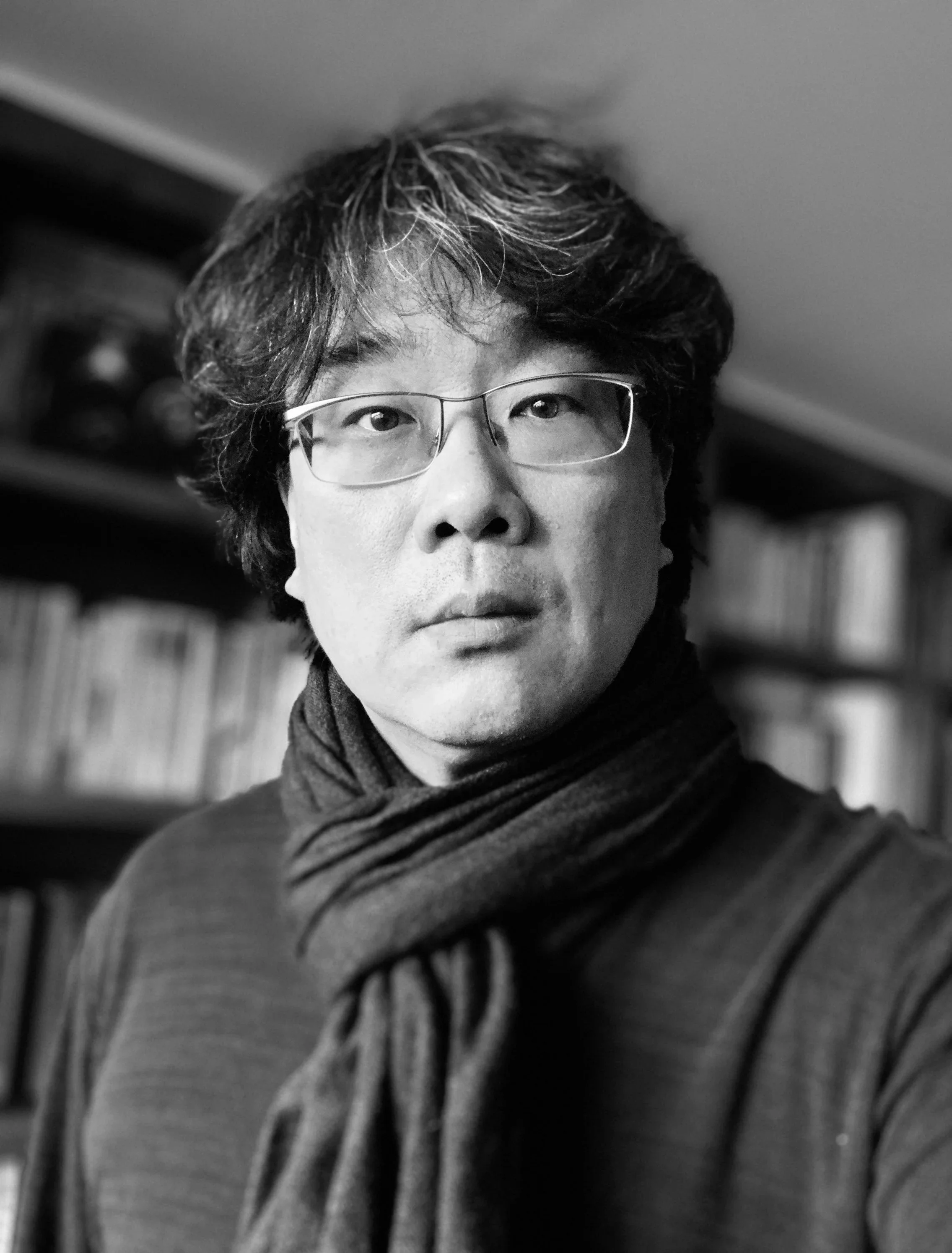
In 2019, Director Bong Joon Ho’s released the film “Parasite”. The thriller story of a poor family infiltrating into a rich family’s lifestyle resulted in a global tidal wave of praise and accolades. For many viewers (including myself), “Parasite” was the first exposure to Bong Joon Ho’s movies and were completely unaware of the previous films that had already cemented the director into legacy status.
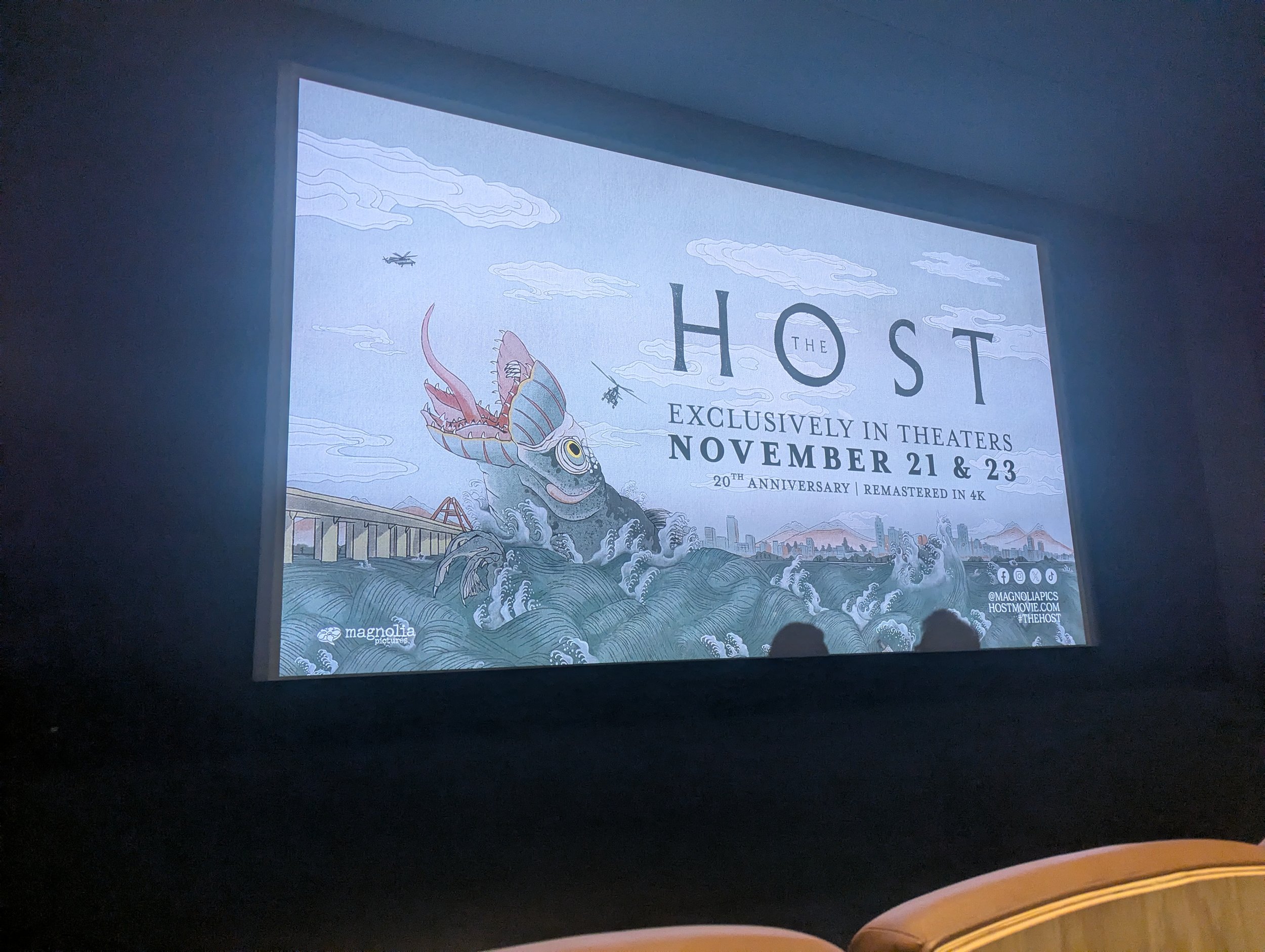
Thanks to Magnolia Pictures, Squeedar was invited to a special screening of Bong Joon Ho’s 2006 monster movie, “The Host” (Korean title translates to “The Creature”). In the beautifully cozy Chaplin theater, we sat back to experience a film of a monster ravaging Seoul, Korea. As the lights dimmed down, we wondered what was so great about this film from 2006 to be restored twenty years later.
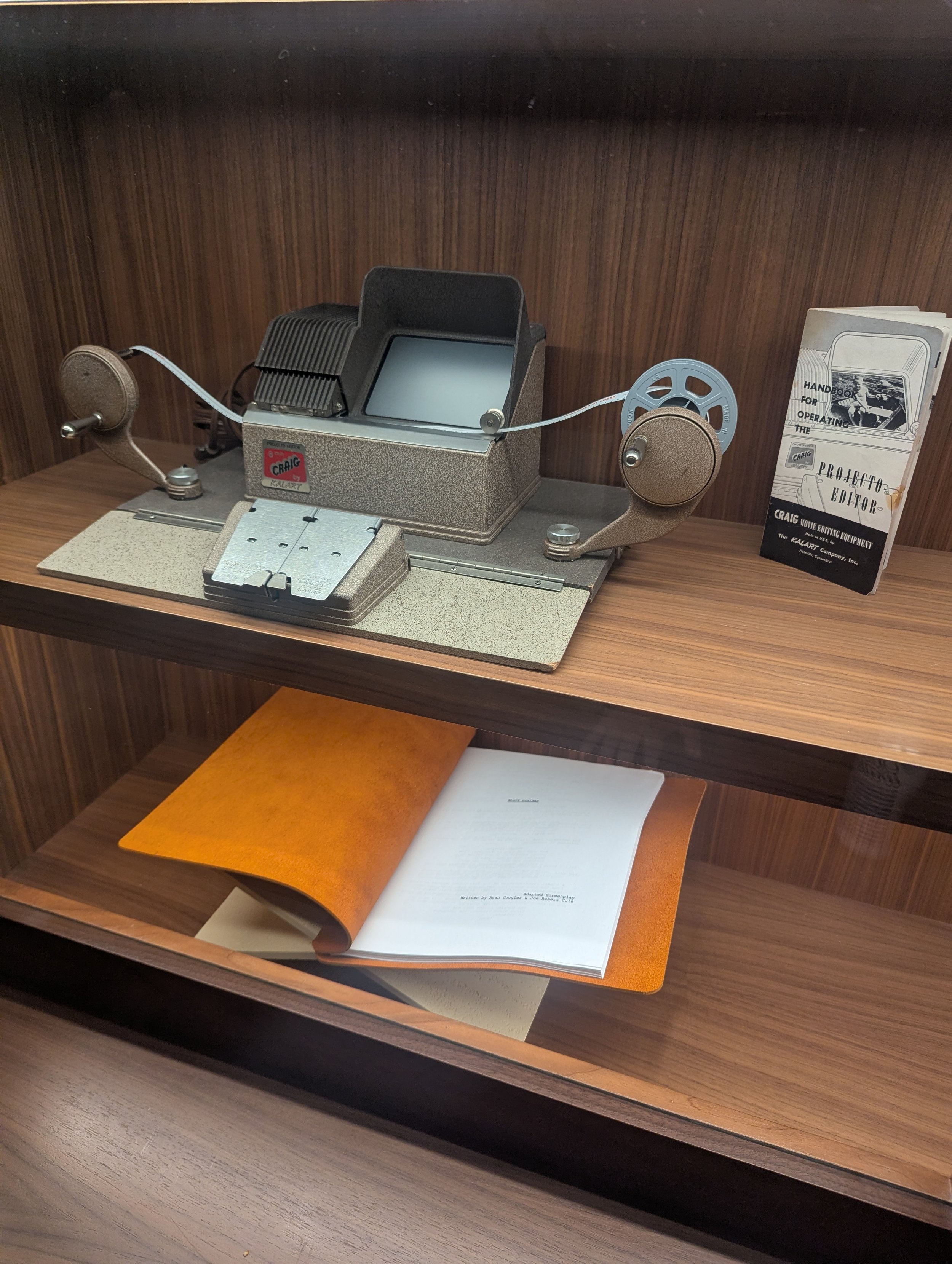
A glimpse at some of the amazing memorabilia at The Chaplin Theater (Beverly Hills) such as the Wakanda script.
In a blink, we were lost in the movie. It was two hours of deep engrossment in the movie. Every scene was demanded that one stayed in their seat or else you will miss out on the crucial scenes. It is the type of entertainment where even with the comedy and drama, one cannot let go of the sense of foreboding. Beginning with the illegal disposal of formaldehyde, until it all erupts upon a normal day along in a park along Han river, to the last desperate fight for survival.
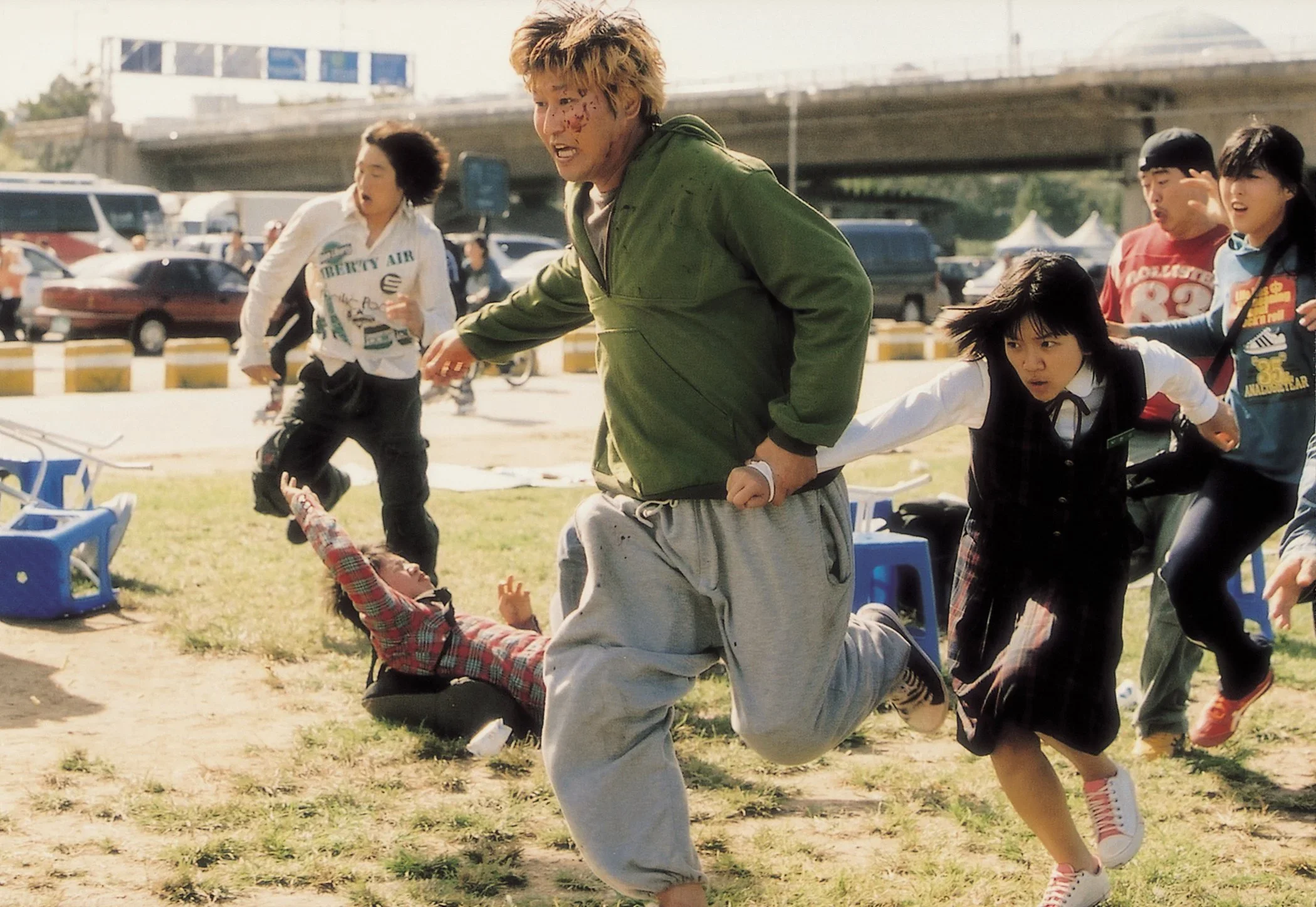
Ko A-sung and SONG Kang-ho in THE HOST (4K RE-RELEASE), a Magnolia Pictures release. Photo courtesy of Magnolia Pictures.
It begins in a place where death is already present. A coroners office worker is forced to pour unimaginable liters of Formaldehyde. Rows and rows of amber bottles hissing down the drain. An act that is already a recipe for instant heart attack for any biology student and warrants a side note for this is beyond incredibly irresponsible and horrible.
A horrible act that was not fiction. Unfortunately act did occur in 2000, a few years before the movie’s release. It was labeled as the McFarland incident. Under Albert L McFarland’s orders to his mortuary assistant, the US military dumped gallons formaldehyde into Han River. Why? Just as the movie sinisterly quotes: the formaldehyde bottles were collecting dust.
. Formaldehyde is a simple aldehyde (consisting of three atoms: carbon, hydrogen, and oxygen). It is a natural gas that occurs in small doses within our bodies. In a coroners office, formaldehyde is used to preserve tissue. Since Formaldehyde is a mutagen, the protocol for disposing a large quantity is to keep the liquid form of Formaldehyde in designated labeled containers and to schedule a pick up by a certified disposal agency. It most definitely does not mean to pour it down the drain and into human waste system!
Can the formaldehyde poured into the river can a mutated fish monster? According to some publications, Formaldehyde can cause mutations from indoor exposure but not enough to create monsters. (https://pubmed.ncbi.nlm.nih.gov/19492241/) .
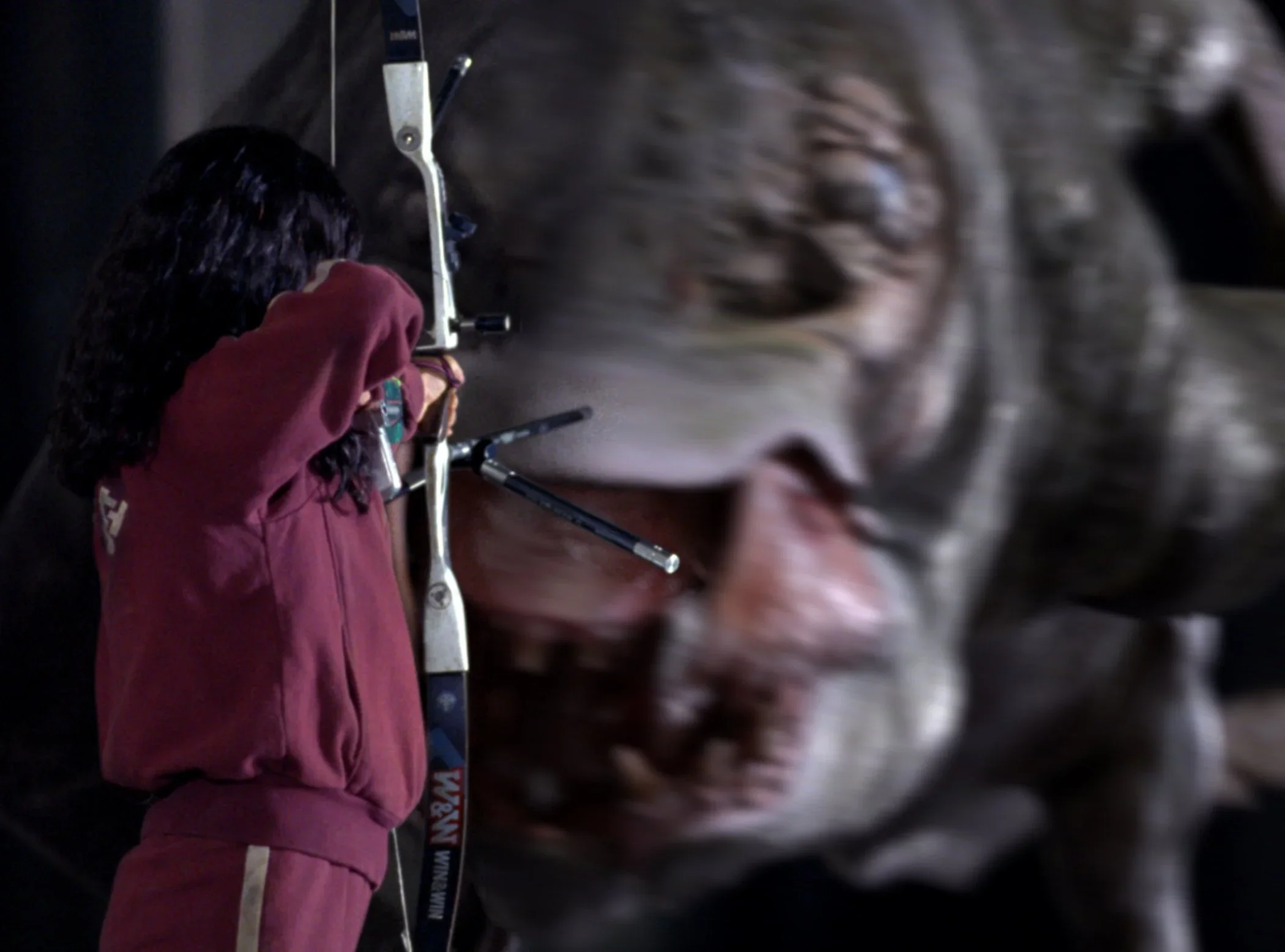
BAE Doo-na in THE HOST (4K RE-RELEASE), a Magnolia Pictures release. Photo courtesy of Magnolia Pictures.
Giant monsters caused by human created chemicals is a cozy and familiar antagonists of monster movies . Such as Them! (1954), giant ants mutated by atomic bombs. The horror of seeing something that is usually harmless or disregarded suddenly in a form that threatens humankind ,losing it upon cities is so satisfying. Most of the time, the viewer feels instant empathy for the creature suddenly thrust into their new role as predator. For THE HOST, it is a complex reaction towards the creature. It wasn’t natural to be this being but it wasn’t instant.. It was several generations of becoming this size. So it learned to be the predator that it was. It learned to target humas judging by the focused intent of attacking the park patrons. So in this movie, guilt and empathy are not an obstacle to watching the creature be brought down.
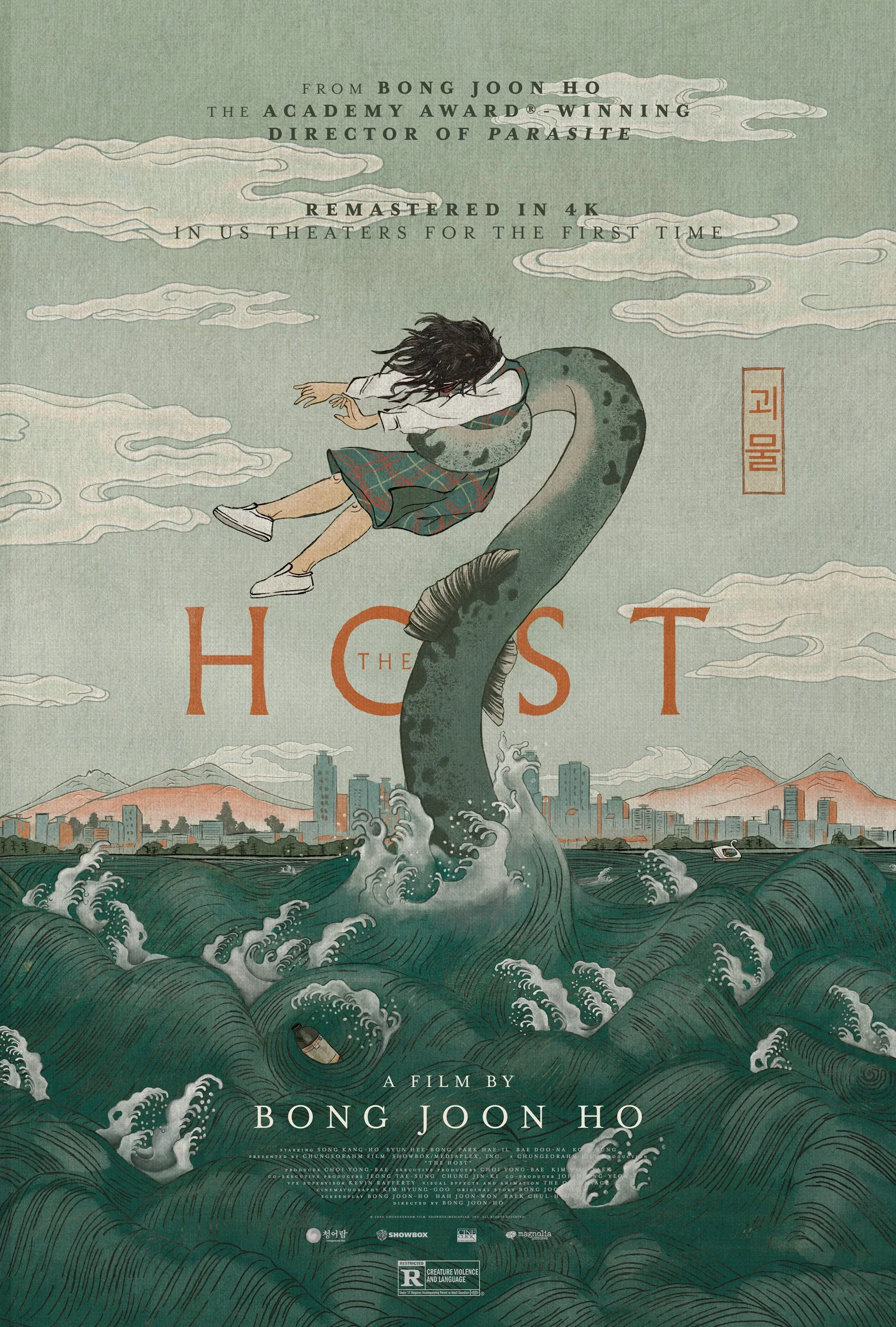
While victims are being engulfed inside a fish mutant that can do graceful gymnastic twirls under the bridge, a dysfunctional family works haphazardly to save the only member they all mutually love: Hyun-seo (played Ko A-sung). Hyun-seo is a high schooler was dragged into the water by the monster. A scene that is iconically featured on the movie posters. Believing that she is dead, her mourning family are shocked to receive a call that she is indeed alive. Her grandfather (played by Byun Hee-bong), Father (played by Song Kang-ho), Aunt (played by Bae Doona), and Uncle (played by Park Hae-il) put aside resentment and pool together their limited skills to find her. They have to fight against their own government who is insisting on isolation and the US who declare a global emergency with the discovery of a new virus carried by those who were in contact with monster.
In the restored version of THE HOST, there was a featured mini interview in the epilogue between Bong Joon Ho and Edgar Wright where they share their passions and influences. Bong Joon Ho shares that he was heavily influenced by the filmmaking of Steven Spielberg. Easily seen as there is a definite similarity of watching THE HOST and Jaws (1975). Where as Jaws was a shar lurking under the water, the monster in THE HOST is amphibious. It is water, sound, and shadows that hides the monster lurking within. It wasn’t mentioned but there must have also been some Jurassic Park (1993) influence in the way the monsters thumping thudding footsteps sounds like the dinosaurs running at full speed. What was the most surprising element in that interview was learning that M. Night Shyamalan’s Signs (2002) was a major influence to the decision to having the family be the center of the story. All of these influence helped deliver a monster story where the horrors comes from within family drama and outside in the waters.
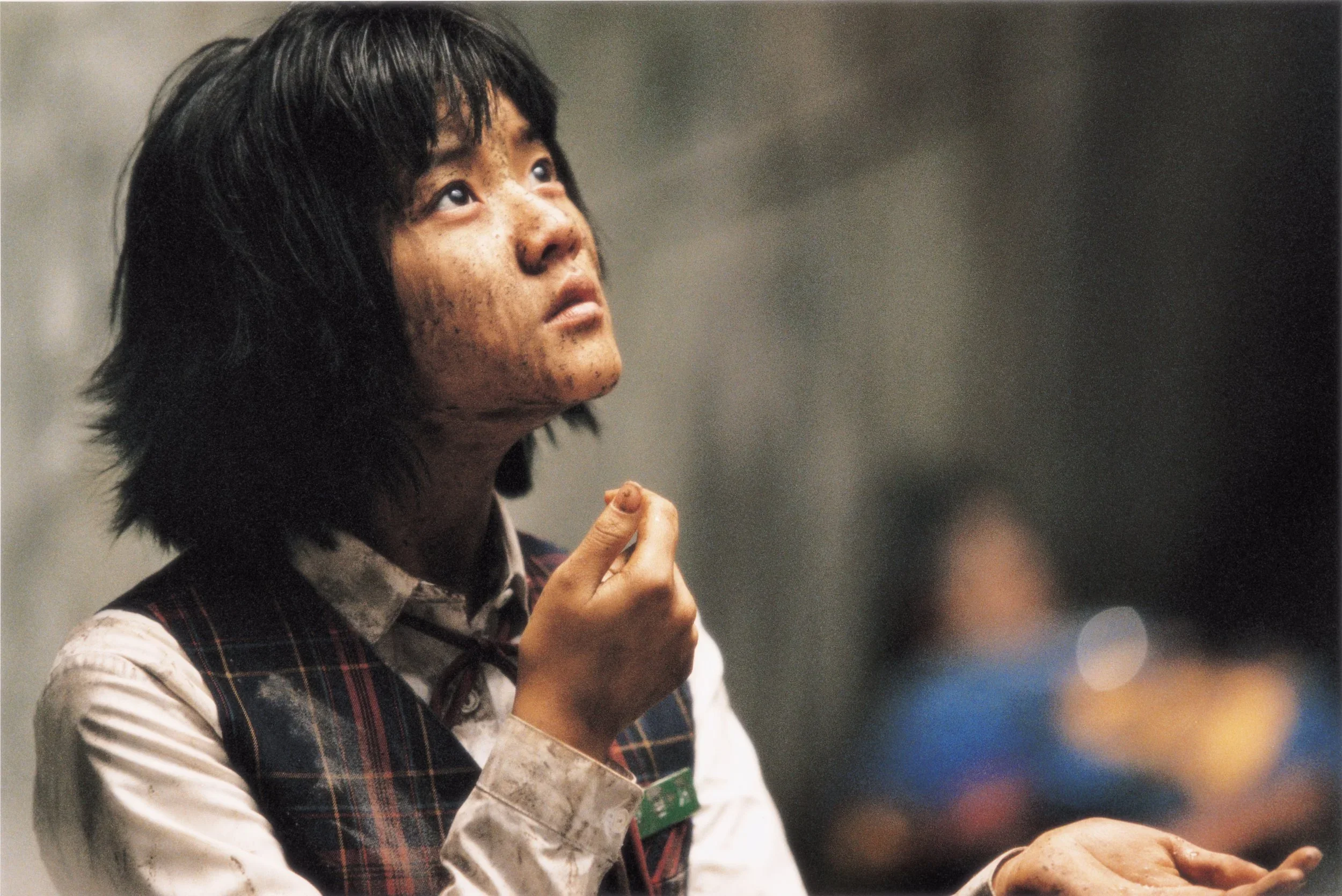
KO A-sung in THE HOST (4K RE-RELEASE), a Magnolia Pictures release. Photo courtesy of Magnolia Pictures.
Not only was the monster hunt itself fascinating, it was the dark humor that kept it infused with human spirit. Even as the world descends into chaos, people can still be absurdly hilarious in their own dark ways. Then those moments that make us smile dissolves into an unsettling reality as the characters make their way around dark sewers and liminal spaces that does not seem to be real. It is heartbreaking to watch as the characters run headfirst into darkness in their desperate attempt to save Hyun-seo even if they may be in the direct path of a monster.
First impression of the film is instant adoration. THE HOST is movie of human negligence powered by US menace and ending in biological terror. It is a movie delivers in a substantial story of science fiction, monsters, humor, and art. A cinematic story that definitely deserves restoration twenty, forty, hundred years later. Since this was our first time seeing the film, we do not what the restored portions were. Whatever they were, it was worth it to watch it upon the screen.
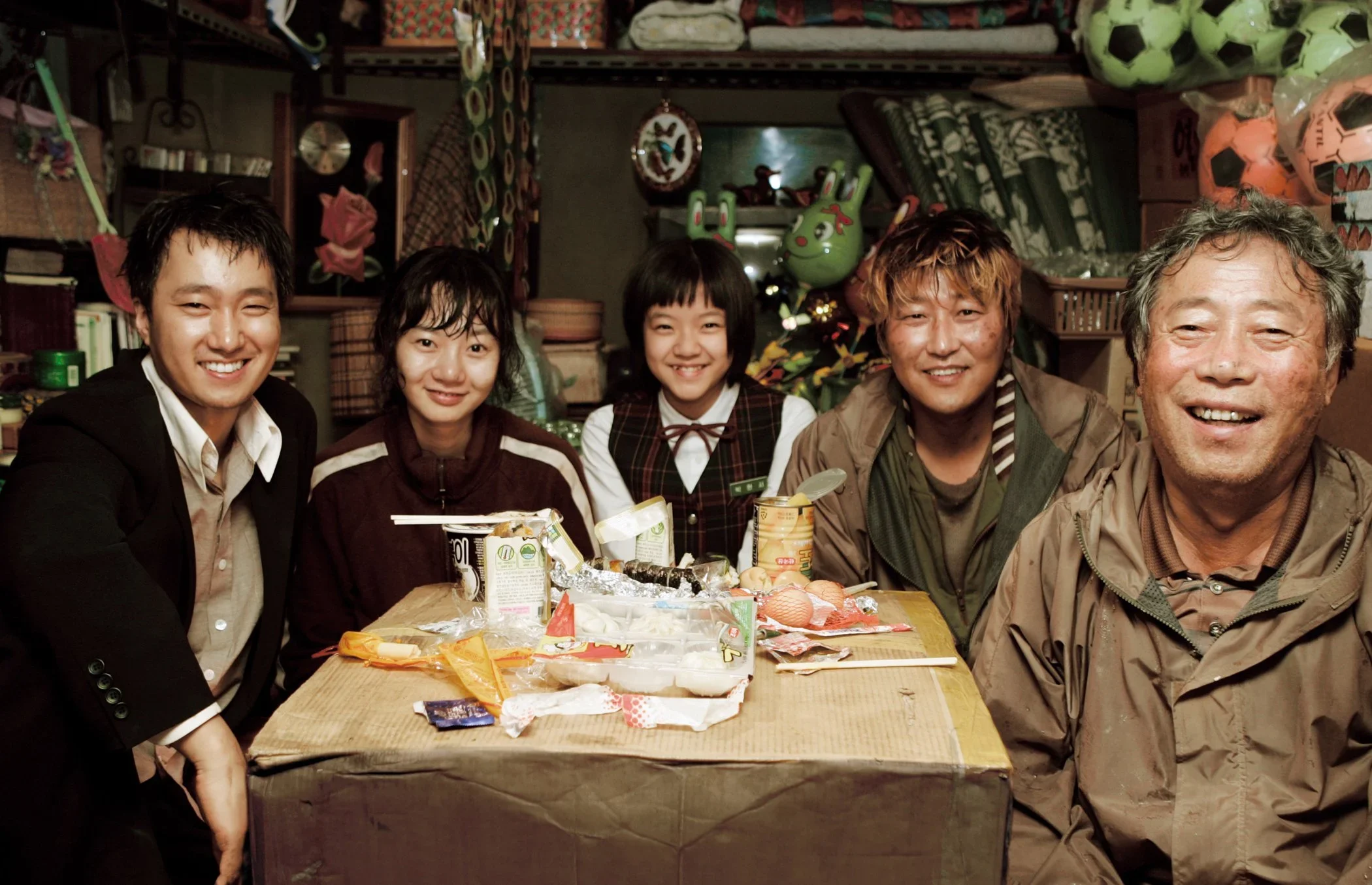
PARK Hae-il, BAE Doo-na, KO A-sung, SONG Kang-ho and BYUN Hee-bong in THE HOST (4K RE-RELEASE), a Magnolia Pictures release. Photo courtesy of Magnolia Pictures.
Directors Statement:
The Han River
The River has flown with us and around us. A fearsome Creature makes a sudden appearance from the depths of this river, so familiar and comfortable for us Seoulites.
The riverbanks are instantly plunged into a bloody chaos.
The film begins at the precise moment, in which a space familiar and intimate to us, is suddenly transformed into the stage of an unthinkable disaster and tragedy.
The Family Park
Gang-du and his family have led ordinary, repetitive lives, never really extending beyond the confines of their small food stand on the banks of the Han River.
They are devastated by the emergence of the Creature.
Robbed of their peaceful daily routines, Gang-du and his family nonetheless throw themselves into a life-and-death struggle against the Creature.
The film shows how these exceedingly normal people, no different from our everyday neighbors, are transformed into monster-fighting warriors.
A Fight to the Death
The Creature is not the only adversary they have to fight.
For Gang-du and his family, impoverished, powerless “little people,” the whole world around them is revealed to be a true monster.
They have to fight against it tooth and nail.
In the end, the film is a record of their fight to the death against the indifferent, calculating and manipulative Monster known as the world.
- Bong Joon HO (Director)